AvonEnfieldGranbySimsburySpringfield CollegeSuffield@Ethel Walker School@FV CrossfitSchedule Appointment


Custom devices hand casted and fabricated for a single individual. The full scope of orthotic bracing for foot/ankle, knee, hip, spine and the upper extremities. Our orthoses are flawless. Created by a symphony of expert knowledge, craftsmanship, and communication with the interdisciplinary healthcare team. Our services can be found at our outpatient offices or in a variety of brace clinics throughout the area.

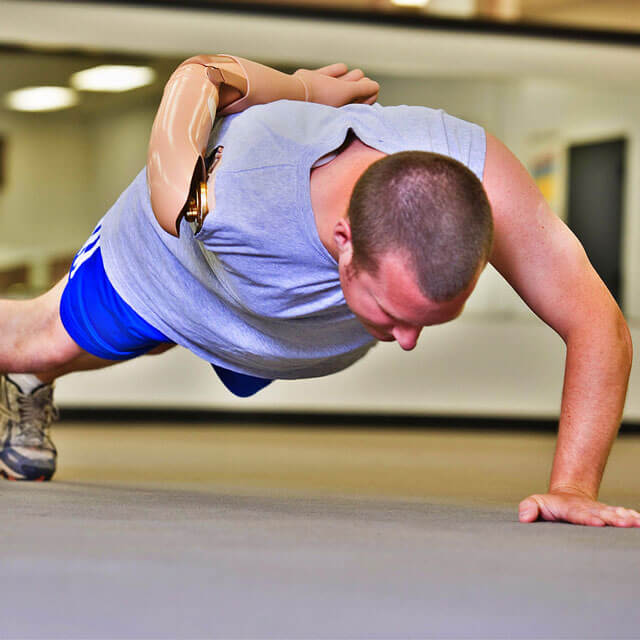
The loss of a limb is a trying and emotional time. Our care puts the individual on the path to those activities dearest to them. Our Prosthetics are a unique marriage of sound clinical decision making & the best materials available. We take the entire individual into account when creating a prosthetic limb so they may conquer the world in their own special way.
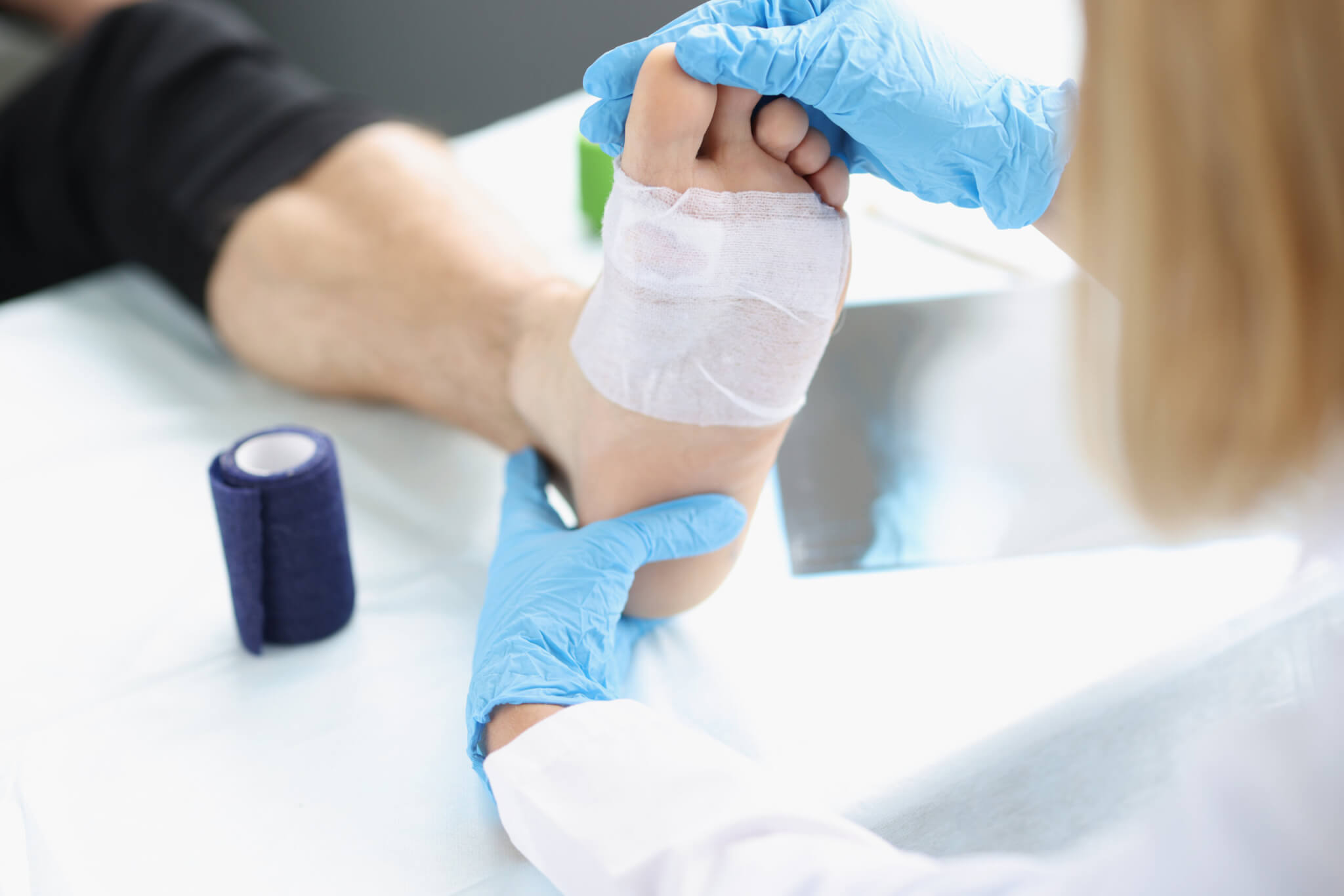
Our Diabetic Foot Management Program is expertly designed to address complex diabetic foot-related issues, from wound care to post-surgery recovery. We offer a comprehensive, evidence-driven approach that includes bracing, prosthetics, amputation management, and diabetic footwear—ensuring optimal outcomes for every patient. We’re not simply providing footwear; we’re an integral part of your long-term healthcare journey. Our team is dedicated to crafting a sound plan for your short, medium, and long-term care. For inquiries, please reach out to Melissa Doan, our Orthotic Prosthetic Patient Care Coordinator, at ext. 8 or mdoan@liveeveryday.org