Live Every Day
Leaders in custom bracing, diabetic footwear and amputee care.
Orthopedic bracing for spine, shoulder, elbow, wrist, hand, hip, knee, ankle and foot.
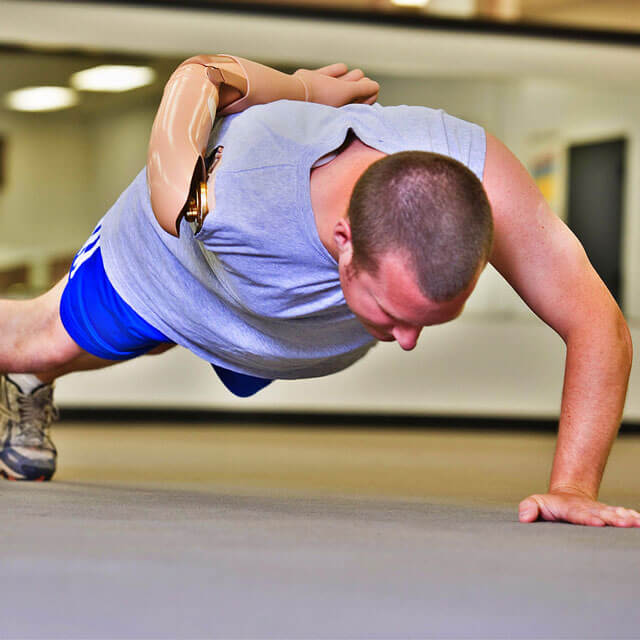
Cutting edge design and materials for upper & lower extremity amputees.
Doctorate in Physical Therapy, Advanced Certification in O&P, Professor of O&P.
Greater Hartford/Springfield, one-on-one scheduled appointments.
68 Bridge Street, Suite 111, Suffield CT (860) 254-5190, info@liveeveryday.org.


Diabetic footwear

live every day

relationships

Diabetic Footwear

Diabetic Footware

The incidence of diabetes continues to climb annually. This however, does not mean that the negative side effects of this serious disease need to multiply as well. There are daily preventative actions that have been clinically and thoroughly researched to help you or your loved ones prevent serious complications. Two main challanges regarding diabetes involve changes to the local nervous and circulatory systems.

Neuropathy

Of the sixteen million Americans with diabetes, 25% will develop foot problems related to the disease. Diabetic Neuropathy can cause insensitivity or a loss of ability to feel pain, heat, and cold. Diabetics suffering from neuropathy can develop minor cuts, scrapes, blisters, or pressure sores that they may not be aware of due to this insensitivity. If these minor injuries are left untreated, complications may result and lead to ulceration and possibly even amputation. Neuropathy can also cause deformities such as Bunions, Hammer Toes, and Charcot Feet.
It is very important for diabetics to take the necessary precautions to prevent all foot related injuries. Due to the consequences of neuropathy, daily observation of the feet is critical. When a diabetic patient takes the necessary preventative foot care measures, he or she reduces the risks of serious foot conditions.

Poor Circulation

Diabetes often leads to peripheral vascular disease that inhibits a person’s blood circulation. With this condition, there is a narrowing of the arteries that frequently leads to significantly decreased circulation in the lower part of the legs and the feet. Poor circulation contributes to diabetic foot problems by reducing the amount of oxygen and nutritients supplied to the skin and other tissue, causing injuries to heal poorly. Poor circulation can also lead to swelling and dryness of the foot. Preventing foot complications is more critical for the diabetic patient because poor circulation impairs the healing process and can lead to ulcers, infection, and other serious foot conditions.

Treatment and Prevention

Footwear and orthotics (often termed diabetic inserts) play an essential role in diabetic foot care. Specifically designed inserts with a special type of pressure sensitive form are usually used in a variety of plys, layers, and types depending on specific foot characteristics. By accommodating the foot, custom form inserts provide full plantar surface (or bottom of the foot) contact to both protect and unload specific foot regions. In addition proper sizing and style of footwear are critical for foot safety. A diabetic shoe should have a:

  • Flat sole to allow proper heel to toe walking
  • High, wide toe box
  • Firm heel counters to often balance & stability with walking

What can I do today to make a positive change?

First meet with your primary care physician – relay many of the important information reviewed here and request a formal prescription for a foot & footwear evaluation by live every day. In the meantime, follow these simple steps daily to promote foot care as instructed by the National Institute of Health (nih.gov).

1. Take Care of Your Diabetes

Make healthy lifestyle choices to keep your blood sugar close to normal. Work with your health care team to create a diabetes plan that fits your lifestyle characteristics.

2. Check Your Feet Every Day

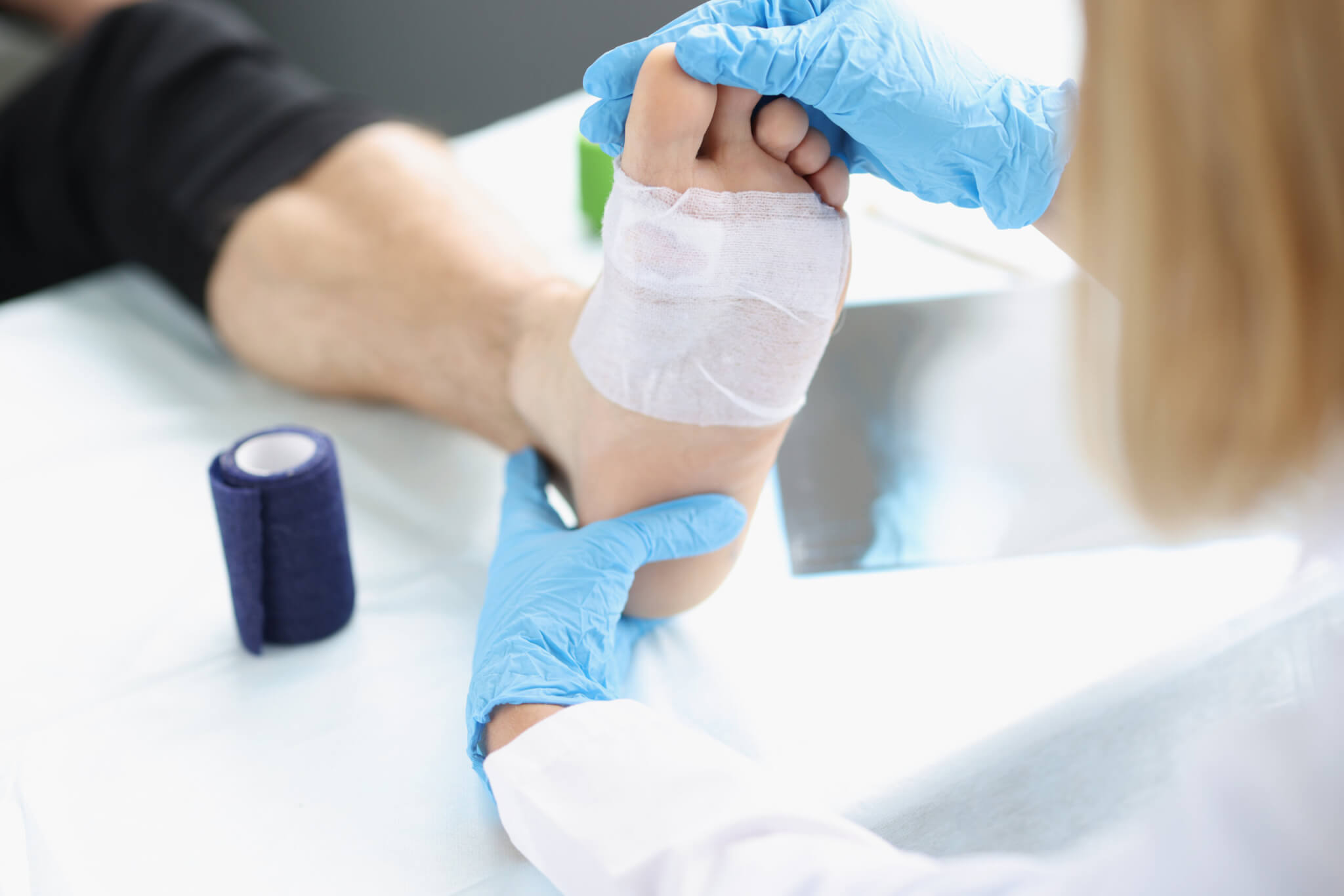
You may have foot problems that you may not be aware of. Check your feet for cuts, sores, red spots, swelling, or infected toenails. Checking your feet should become part of your daily routine. If you have trouble bending over to see your feet, use a plastic mirror to help. You can also ask a family member to help you. Important Reminder: Be sure to call your doctor immediately if a cut, sore, blister, or bruise on your foot does not heal after one day.

3. Wash Your Feet Every Day

Wash your feet in warm, NOT HOT, water. Do not soak your feet because your skin will get dry. Before bathing or showering, test the water to make sure it is not too hot. You should use a thermometer or your elbow. Dry your feet well. Be sure to dry between your toes. Use talcum powder to keep the skin dry between the toes.

4. Keep the Skin Soft and Smooth

Rub a thin coat of skin lotion or cream on the tops and bottoms of the feet. Do not put lotion between your toes, because this might cause infection.

5. Wear Shoes and Socks At All Times

Wear shoes and socks at all times. Do not walk barefoot, not even indoors. It is extremely easy to step on something and hurt your feet. Always wear seamless socks, stockings, and nylons with your shoes to help avoid the possibility of blisters and sores developing. Be sure to choose seamless socks that are made of materials that wick moisture away from your feet and absorb shock and shear. Socks made of these materials help keep your feet dry. Always check the insides of your shoes before putting them on. Make sure the lining is smooth and there are no foreign objects in the shoe, such as pebbles. Wear shoes that fit well and protect your feet.

6. Protect Your Feet From Hot and Cold

Always wear shoes at the beach or on hot pavement. Put sunscreen on the tops of your feet for protection from the sun. Keep your feet away from radiators or open fires. DO NOT use hot water bottle or heating pads on your feet. If your feet are cold, wear seamless socks at night. Lined boots are good to keep your feet warm in the winter. Choose socks carefully. DO NOT wear socks with seams or bumpy areas. Choose padded socks to protect your feet and make walking more comfortable. In cold weather, check your feet often to keep your feet warm avoid frostbite.

7. Keep the Blood Flowing to Your Feet

Put your feet up when you are sitting. Wiggle your toes for 5 minutes, 2 or 3 times a day. Move your ankles up and down and in and out to improve blood flow in your feet and legs.

  • DO NOT cross your legs for long periods of time.
  • DO NOT wear tight socks, elastic, or rubber bands, or garters around your legs.
  • DO NOT wear restrictive footwear or foot products. Foot products that can cut off circulation to the feet, such as products with elastic, should not be worn by diabetics.
  • DO NOT smoke. Smoking reduces blood flow to your feet. If you have high blood pressure or high cholesterol, work with your health care team to lower it.

8. Be More Active

Ask your doctor to plan an exercise program that is right for you. Walking, dancing, swimming, and bicycling are good forms of exercise that are easy on the feet. Avoid all activities that are hard on the feet, such as running and jumping. Always include a short warm-up or cool-down period. Wear protective walking or athletic shoes that fit well and offer good support.

9. Communicate With Your Doctor

Ask your doctor to check the sense of feeling and pulses in your feet at least once a year. Ask your doctor to tell you immediately if you have serious foot problems. Ask your doctor for proper foot care tips and for the name of your local podiatrist.